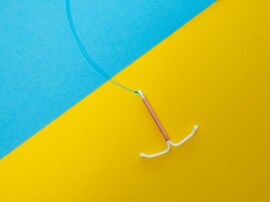
We Need to Talk About IUD Insertion and Pain
According to a study in the Journal of Family Planning and Reproductive Health Care, seventy-eight percent of women found getting an IUD to be moderately or severely painful. This Cosmopolitan article discusses the process of getting an IUD, IUD pain, and the steps that doctors can take to address it.
The process of getting an IUD usually takes about five minutes. It begins with a doctor using a tenaculum on the cervix. Next, they measure the uterus with a ruler. Then they use a device to deploy the IUD, remove the device, and cut the IUD strings. While the experience of getting an IUD can vary by person, many people report feeling pain.
For too long, concerns about IUD insertion were ignored or dismissed. Recently, the CDC stated that patients should be informed about the possibility of pain and given options to minimize it. These options include lidocaine and other anesthetics and should reflect the patient’s preferences. Still, there is a need to develop better methods for addressing IUD pain.
When it comes to getting an IUD, we can advocate for ourselves. We can ask questions about the process and work with our doctors to minimize our pain. If we don’t feel heard by our doctor, we can find another healthcare provider.
In the medical community, the thinking is that even if IUD insertion is uncomfortable, it’s over quickly and you can get a decade of contraception for your trouble, says Jessica Horwitz, MPH, chief clinical officer at national women’s health care clinic Tia. It’s the kind of reasoning often rooted in the institutional dismissing of women’s concerns and complaints—a systemic (and sexist) issue that allows many docs to accept that 'discomfort' as status quo.
SOURCE: Cosmopolitan • AUTHOR: Ashley Oerman • LAST UPDATED: August 7, 2024