Menstrual Cycle
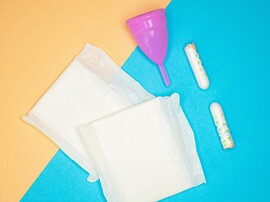
My period. My cycle. My red friend. Aunt Flo. Shark week. On the rag. Even “the curse.” We use many different terms to describe the regular biological occurrence of menstruation. It’s a big part of our lives as women, girls, and other menstruators yet we still don’t always discuss it openly. This section covers the wide range of experiences with, and feelings about, menstruation.
The menstrual cycle is a big part of our lives as girls, women, and other menstruators. Menstruation–getting our periods–is part of the larger menstrual cycle. Within this cycle, our bodies undergo a complex, fertility-related process, including fertile times when we can become pregnant, and times in which the uterus sheds its lining and we bleed. The menstrual cycle generally starts between the ages of 9 and 16 and lasts until menopause, which usually occurs in middle age.
In patriarchal cultures, menstruation is shrouded in secrecy, shame, and disgust. Toxic attitudes and myths about menstruation harm our physical, mental, and sexual health. Their costs to us are far reaching. Even researchers and their funders neglect menstruation-related problems such as endometriosis and the many symptoms of perimenopause. Many medical providers don’t understand menstrual problems well, which leaves symptoms and concerns inadequately addressed, sometimes for years. Given that menstruation is required for all human life, why aren’t we encouraged to feel proud of our cycles? Indeed, in a society that values women, we should receive respect, accurate information, and high-quality health care to support us physically and emotionally.
This section explores the experiences of the entire menstrual cycle, including menarche (first bleeding), common menstruation-related problems and conditions, as well as the ways we celebrate menstruation, and work to end period poverty. These resources address the issues facing people who are trans and nonbinary, disabled, BIPOC, impoverished, homeless, and/or incarcerated. They also include powerful feminist analyses of menstruation and how to get involved with menstrual activism.