News from TAHEA, our global partner in Tanzania
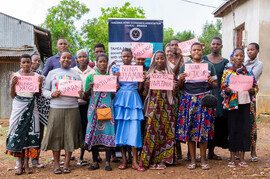
Ever since the 1970s, feminist groups from around the world have been translating and adapting "Our Bodies, Ourselves" for women in their own countries.
Mary Kabati, Executive Director of the Tanzania Home Economics Organization (TAHEA), recently wrote to our Global Projects Committee with exciting updates about TAHEA's current work.
TAHEA is a women-led professional NGO, established in 1980 as TAHEA Mwanza. TAHEA participated in OBOS's 40th anniversary symposium in 2011. The organization later published two Kiswahili booklets: Afya Ya Uzazi (Reproductive Health, 2013) and Mahusiano Na Magonjwa Ya Ngono (Relationships and Sexually Transmitted Diseases, 2014). "We [still] use the translations in our training packages as references during training sessions on reproductive health," Kabati reports.
Mary Kabati writes that TAHEA is currently focused on two initiatives: achieving gender equality through their Early Childhood Development Project; and an intervention on obstetric fistula. Read on for her full responses about this important work.

What is your organization working on now?
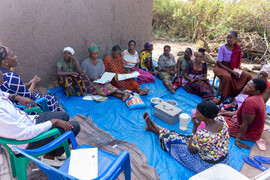
Guided by our strong commitment to gender equality, sustainability, and community-driven development, TAHEA Mwanza currently invests in people through all stages of their lives by implementing programs in early childhood development (ECD), livelihoods, and climate resilience as a synergy to programming.
You shared that you are working on a first-year intervention project focused on obstetric fistula. We would love to hear more about how this project is going.
Obstetric fistula remains a significant maternal health challenge, particularly in underserved and rural communities with limited access to quality maternal healthcare services. The condition, often resulting from prolonged obstructed labor, leads to devastating physical, emotional, and social consequences for the affected women. Many suffer in silence due to stigma, isolation, and lack of awareness about available treatment options. This project aims to address these challenges by strengthening community-based systems for early identification, referral, and support of women with obstetric fistula, while also building awareness and reducing stigma through education and community engagement.
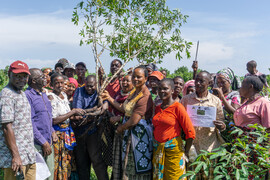
TAHEA Mwanza, in close collaboration with local government authorities and community structures through the support from Americans, leads significant community engagement activities aimed at increasing awareness, early identification, and referral for obstetric fistula (OF) patients across target districts in the Mwanza region. These efforts are guided by a commitment to strengthen community capacity, increase demand for services, and improve access to quality care for women affected by obstetric fistula.
The overall goal of the project community work is to reduce the burden of obstetric fistula by improving community awareness, enhancing early identification and referral mechanisms, and enabling access to quality treatment and reintegration support services. This project is being implemented in Ukerewe and Ilemela districts of Mwanza Region in partnerships with Americares Foundation Tanzania and Bugando Medical Centre.
How do you use your Our Bodies Ourselves book (or website) content today?
We have distributed the books in schools and colleges for students to use as reference books. At the organization level, we use the books when preparing training content for target groups. Currently we focus on young people especially those who dropped out of school due to early pregnancies and early marriages. This group needs key information on reproductive health and health generally as they struggle to earn their living. We use them as champions to transform the community they want.
What important health issues or topics in your country do you want other people to know about?
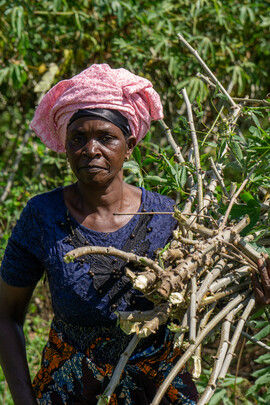
The groups we target are most concerned about gender-based violence, inadequate health services, and poor nutrition, in addition to poverty and climate change. TAHEA Mwanza wants to promote health and nutrition, especially for children, adolescents, and women, to ensure that health systems deliver a range of services both preventive and curative through linkage and advocacy to foster resilience and accessibility.