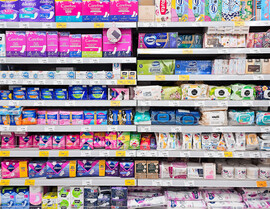
Addressing Period Poverty in the United States
In this article, business reporter Érica Carnevalli discusses the effects of period poverty on girls and women. Too often low-income women and women living in poverty cannot afford the menstrual products that they need. Some women may stay out of work and risk their jobs, and girls may skip school and risk falling behind. This can also contribute to emotional stress.
Period poverty worsened during the COVID-19 pandemic. Public spaces that provided period supplies were closed, and a shortage of supplies increased the prices. There are hopeful signs nevertheless. With menstrual education and legislation that addresses menstrual inequities, we can end period poverty.
States like New York have led such changes. New York ended the sales tax on period products, and it mandates that they be provided for free in schools, shelters, and prisons. In addition to policy changes, the work of organizations like No More Secrets/Spot Period, Her Village, and Flow Initiative also combat period poverty. The article features Eiko La Boria, an Our Bodies Ourselves content expert who founded the Flow Initiative.
Period poverty is rampant in the US, with serious health and economic implications for women and girls. There were an estimated 16.9 million women who menstruate living in poverty in 2020, and a study conducted in 2017-2018 found almost two-thirds of women with low incomes in St Louis, Missouri, could not afford menstrual products. Nearly half sometimes had to choose between buying food or menstrual products.
SOURCE: The Guardian • AUTHOR: Érica Carnevalli • LAST UPDATED: April 5, 2023