Growing Older
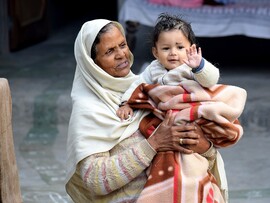
Advances in health care have made it possible to live longer and healthier. In the United States, we’re living through a major demographic shift, in which 10,000 baby boomers turn 65 each day. By 2030, one-quarter of the U.S. population will be over 65, with similar shifts happening all over the world. And, because women outlive men at every age and stage of life, the gender gap grows as we age.
Improvements in public health and health care have enabled us to live longer than ever, but our society is not fully prepared for this aging of the population and the opportunities and challenges it will bring. The work of caregiving falls most heavily on those of us who are women, BIPOC, and/or immigrants. And ageism—stereotypes, prejudice, or discrimination against people who are seen as old—affects us all. Furthermore, ageism affects women in unique ways, and often more harshly. Our society idealizes youth. It judges women based on “attractiveness,” and it marginalizes and excludes older people. This means we need to confront stereotypic, devalued definitions of older adults, no matter what path we take to growing older.
This section explores the many facets of growing older. Our content criticizes the mantra of “successful aging” as an impossible goal that overlooks unequal opportunities. It offers a range of powerful materials to help us confront ageism and to celebrate our diverse identities, including as BIPOC elders and LGBTQIA+ elders. We share ways to navigate aging as women and gender-expansive people, from managing (and affording) retirement, to understanding our changing bodies and our sexuality.