News from WOREC, our global partner in Nepal
Sunita Mainali and Sumitra Poudel of the Women's Rehabilitation Centre (WOREC) in Nepal recently wrote to our Global Projects Committee about how WOREC's continued initiatives prioritize women's health and human rights. "These efforts align with their strategic objectives and ongoing projects aimed at empowering women and addressing systemic issues."
WOREC is one of many feminist groups from around the world that have been translating and adapting "Our Bodies, Ourselves" for women in their own countries since the 1970s. Here we proudly share their updates on their projects and how their adaptation of "Our Bodies, Ourselves" continues to be a foundational resource for WOREC's health education and advocacy initiatives.

How do you use your Our Bodies Ourselves book (or website) content today?
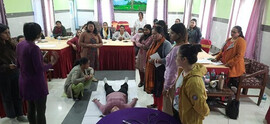
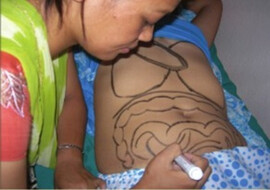
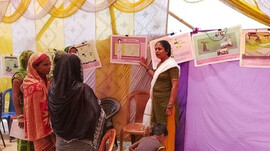
The Women's Rehabilitation Centre (WOREC) in Nepal continues to utilize the Nepali adaptation of "Our Bodies, Ourselves," titled Hamro Sharir, Hamro Ho, which was first published in 2008. This series of six booklets remains a cornerstone of WOREC's grassroots health education and advocacy work. The booklets are actively employed in WOREC’s nationwide self-care workshops, health camps, and training programs. They focus on women's health, sexuality, and violence against women, contextualized within Nepal's socio-cultural landscape. Through these materials, WOREC has trained thousands of women, empowering them with knowledge about their bodies, rights, and available healthcare resources.
As Dr. Renu Adhikari/Rajbhandari, WOREC’s founder, noted,
“All their stories and all their experiences are in 'Our Bodies, Ourselves.' Along with the stories and political activism, we started brokering power at the personal as well as at the political level.”
WOREC's ongoing use and adaptation of these materials demonstrate their enduring relevance and impact in promoting women's health and rights in Nepal.
What is your organization working on now?
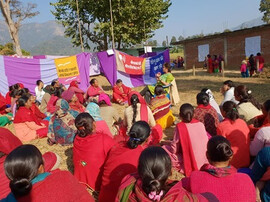
WOREC reports on several current organizational priorities and projects:
1. Women's Health Rights Program
WOREC's Women's Health Rights Program focuses on ensuring women's access to comprehensive healthcare services. This includes establishing community-based counseling centers and providing reproductive health services.
2. Gender-Responsive and Inclusive Governance
WOREC is working to enhance the capacity of elected women representatives and other duty bearers to promote gender-responsive and inclusive governance. This initiative involves developing training materials and providing training to key government officials and service providers to enhance their understanding of gender-inclusive governance and support their leadership skills for meaningful participation.
3. Advocacy for Women's Rights and Social Justice
WOREC continues to advocate for women's rights and social justice through various campaigns and initiatives. This includes the preparation of the Seventh CEDAW Shadow Report in collaboration with over 100 NGOs and CBOs from all seven provinces of Nepal. The report focuses on issues such as violence against women and girls, female migrant workers, women human rights defenders, gender-based violence, and women's health.
4. Community Health Clinics
WOREC operates community health clinics in Udayapur, providing essential health services to marginalized and disadvantaged communities. These clinics offer preventive and curative services, including maternity care, family planning, counseling, immunization, and treatment for reproductive health morbidities.
What important health issues or topics in your country do you want other people to know about?
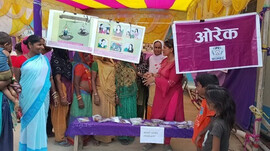
WOREC draws attention to three issues in Nepal, and globally, that we need to address. First is the important need for research and action on how climate change impacts women’s reproductive and overall health. Second, they point to the stigma and misinformation, especially in low-resource or rural settings, that pose significant barriers to treating infertility. A third overlooked but important aspect of rural women's health is awareness and screening for cervical cancer and breast cancer.
They call for more inclusive, accessible health services for women and girls, and community-based approaches that integrate psychosocial support into primary healthcare.