CMV During Pregnancy: The Virus Risk No One Taught Me About
Pediatrician Megan Pesch shares her personal experience with congenital CMV, a common viral infection that is rarely discussed, even though it can lead to serious consequences including birth defects and pregnancy loss.

I am a pediatrician by training and had always dreamed of having children of my own. When I was pregnant with my first child, I remember staying up late highlighting and underlining passages in my copy of “Our Bodies, Ourselves,” given to me by my obstetrician’s office. I wanted to empower myself with the knowledge to ensure I was doing everything possible to take care of myself and my baby. However, there was a significant gap in the medical education I received and in all the research I did to prepare for pregnancy. It was a condition so common it affects 1 in every 200 infants born in the U.S., and yet, by my third pregnancy, I had no idea I was in the highest risk category.
Congenital cytomegalovirus, or congenital CMV, occurs when a pregnant person contracts CMV, a common virus, and it passes through the placenta to the developing baby. While CMV typically has little to no impact on the pregnant person—at most, mild fatigue—it can cause devastating outcomes for a fetus, including birth defects or even pregnancy loss. CMV is most often transmitted through the saliva or urine of young children in daycare settings. During my third pregnancy, I had two daughters in daycare full-time. Children can unknowingly spread CMV through innocent acts like sharing food, using the same cups and utensils, or kissing on the lips.
Looking back, I realize how easily I could have reduced my risk had I known about CMV. I frequently ate my children’s leftover food because I was hungry, and they never seemed to finish their meals. I would give them kisses on the lips without a second thought and didn’t think to double down on handwashing after diaper changes. Had I been aware of the risks of congenital CMV, I would like to think I would have acted differently: tossing those leftovers, offering my cheek for kisses, and being more diligent about hygiene.
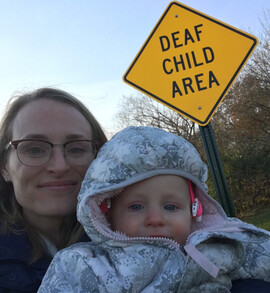
My third daughter, Odessa—whose name, fittingly, means "journey"—was born at term, weighing nearly 8 pounds and appearing healthy. Over the next few months, we discovered that she had lost her hearing due to CMV exposure in utero. As she grew, more of her disabilities became evident. Yet Odessa is a bright light in our lives—delightful, inquisitive, silly, and full of love. She has taught us so much about resilience, joy, and the beauty of difference.
Still, I can’t help but feel frustrated by the lack of education and awareness about CMV during pregnancy. In 2015, the American College of Obstetricians and Gynecologists released a practice bulletin stating they did not recommend educating pregnant people about CMV because the suggested risk reduction methods—such as avoiding saliva and urine from young children—were deemed "burdensome" and "impractical."
While CMV is undoubtedly a daunting topic, I firmly believe that people have the right to information that could impact their pregnancies. Informed decision-making is a cornerstone of autonomy and care. Many people, for example, choose to eat lunch meat or sushi during pregnancy, even after being educated about the associated risks, because they have weighed the evidence and made a decision that feels right for them. The same should be true for congenital CMV. Expectant parents deserve to know the risks and make informed choices about their pregnancies and their bodies.
If you would like to learn more about congenital CMV, I encourage you to visit the National CMV Foundation at nationalcmv.org and the other resources noted below. Together, we can spread awareness and empower families to take steps toward healthier pregnancies and brighter futures for their children.

Basic Facts about Congenital Cytomegalovirus (Congenital CMV)
- Cytomegalovirus (CMV) is a virus related to the herpes virus group of infections. Like herpes, it is inactive at times, but it is incurable and is a lifetime infection.
- CMV is the most common congenital viral infection.
- About one in 150 children born in the United States has congenital CMV.
- 80% of children with congenital CMV never develop any symptoms or disabilities.
- The other 20% can have problems related to breathing, hearing, and vision.
- Common signs and symptoms in babies sick at birth include jaundice, an enlarged and poor liver function, an enlarged spleen, lung infection, and hearing loss.
- CMV can spread in a few different ways.
- Touching your eyes or the inside of your nose or mouth after coming into contact with the body fluids of an infected person.
- Sexual contact with an infected person.
- Human milk from an infected person.
- Organ, bone marrow. or stem cell transplantation or blood transfusions.
- An infected birthing parent can pass the virus to their baby before or during birth. The risk is higher if the parent is infected for the first time during pregnancy.
- To reduce the risk of contracting and spreading CMV:
- Wash your hands thoroughly and often. Washing hands is especially important before touching one’s face, and after any contact with single-use items, like tissues and disposable diapers.
- Carefully clean toys, surfaces, and other items that may come into contact with children’s saliva and urine.
- Avoid sharing eating, drinking, and kitchen utensils.
- Limit contact with young children’s tears and saliva as much as possible, especially during pregnancy.
- Babies infected with CMV need treatment as soon as possible. The most common treatment is intravenous antiviral medication administered over several weeks.
Sources
- Boston Children’s Hospital, Congenital Cytomegalovirus, https://www.childrenshospital.org/conditions/congenital-cytomegalovirus
- Mayo Clinic, Cytomegalovirus Infection, https://www.mayoclinic.org/diseases-conditions/cmv/symptoms-causes/syc-20355358