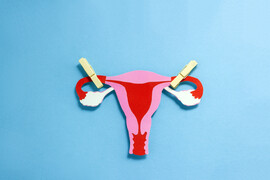
An Overview of Tubal Ligation
Since the overturning of Roe v. Wade, more women have been turning to permanent contraceptive methods. This article from "Everyday Health" provides an overview of one such method: tubal ligation.
During tubal ligation, the fallopian tubes are blocked or closed through surgery. As it is permanent and considered a form of sterilization, it is only for people who do not ever want to get pregnant.
Before deciding whether to have a tubal ligation, it's worth considering the comparative risks and benefits of other methods of birth control. The risks and the chances of failure are higher with tubal ligation than with vasectomy. The implant and the IUD are more effective at preventing pregnancy, although they aren’t permanent.
Cultural factors and responses also matter. We can’t ignore the history of forced and coerced sterilization of women of color, women with low incomes, women who are incarcerated, and women with disabilities. The decision to get our tubes tied must be an informed one that recognizes our agency and bodily autonomy.
It may seem judgmental, but we live in a society with a past medical history of making this decision, especially Black and brown people or those of different abilities, without their consent. We want to make sure that a person is not being coerced... There are rules that have come from an ugly history in our country of forced sterilization, to protect patients, especially those with state or federal health insurance like Medicaid, that require a 30-day waiting period before having the permanent birth control method of their choice.
SOURCE: Everyday Health • AUTHOR: Cheryl Alkon • LAST UPDATED: July 20, 2022