Rewatching "Abortion and Women's Rights 1970": An Interview with Jane Pincus
In 1970, Our Bodies Ourselves co-founder Jane Pincus collaborated with five other women – Sue Jhirad, Catha Maslow, Janet Murray, Mary Summers, and Karen Weinstein – to make a film about abortion. It was 2 years before "Ms Magazine" published its famous piece, “We Have Had Abortions,” and 3 years before Roe v Wade.
The ground-breaking film turns 55 this year. And with Roe overturned, increasing abortion bans, and growing threats to reproductive care, we’re watching it again with fresh eyes. In recent public screenings from South Dakota to California, new and returning audiences are connecting with the film’s stories and message.
We talked with Jane about making “Abortion and Women’s Rights 1970” and what it means to share the film again now, in 2025.
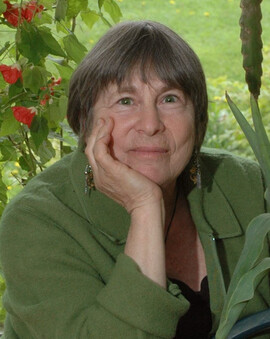
What made you choose to make this film in the spring of 1970?
There was an urgency and a determined feeling in the political air that Things Needed Changing. Women began meeting together around different issues, in groups forming, disbanding and reforming. I’d heard via a radio program about Massachusetts misogynistic congressmen’s views on abortion during hearings taking place at that time.
Like so many others, I became interested in Doing Something. In part since my husband Ed Pincus was launching MIT’s new film department, and because women were becoming publicly involved in reproductive rights issues, a little group of us -- six women -- decided to make a film about Abortion.
What was it like making the film?
None of us four filmmakers had ever made a film before. We met regularly. We had a lot to learn. We were astonishingly free to use MIT’s editing resources for that one year it took to make it.
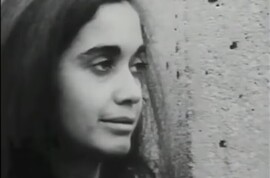
As soon as word got around about our film project, we received almost magically -- just appearing -- audio tapes containing women’s moving stories about the illegal abortions they’d had. We used these voices for the background sound of our film. The visuals we created illustrated each of the two main stories. The third part of the film analyzed the poor health care women were receiving, and we ended with a strong song about fighting for women’s rights.
Was there a connection between the filmmaking and Our Bodies Ourselves?
At the same time that I was bringing the film to life, I was delving into women’s health issues with the group that became Our Bodies Ourselves. The phrase “the personal is political” expresses how the two combined in 1969-1970. It galvanized us into revealing our personal lives as we researched all we could, acting upon the knowledge we received every day. During those dramatic years we were becoming mothers, having and raising our children. We realized that when we shared many, often problematic experiences, we learned so much from one another. We questioned the negative medical attitudes towards women. We questioned the larger society we lived in. We then could reach out to others having gained new and important, even essential knowledge about ourselves and all that we were going through.
Tell us about the film’s revival, decades after you made it.
Our film languished for about FORTY years! It was shown occasionally here and there. About 13 years ago Karen Weinstein brought it into our lives again, and we updated it. Mary Summers worked hard to find the origins of the photos we had included in it, so we could add attributions and acknowledgments. The organization Women Make Movies rents it out, and it’s now on Kanopy for library card holders, as well as on the Our Bodies Ourselves website.
It has been moving these past months to participate in discussions with folks who have recently watched our film. We are hoping that it can be used as an organizing tool and a prompt to gather, to talk about the events taking place around reproductive access and freedom. We have to defend women’s rights and utilize our powers more strongly than ever before.