Dirty Red: How Periods Have Been Stigmatized through History
Menstruation has a long history of being stigmatized as something that makes us unclean and something that should be kept hidden. In this article, Rae Gillibrand provides an overview of the history of menstruation and how it informs the present.
Menstrual stigma has persisted for thousands of years. The Biblical book of Leviticus described menstruation as “unclean.” In AD 70, Pliny the Elder spoke of the effect that a menstruating woman can have on crops and bees. Even a midwifery book from 1964 stigmatizes menstruation.
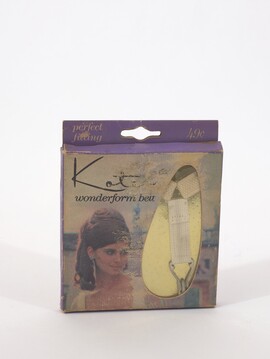
Shame around menstruation remains prominent in our culture today, from product advertisements to menstrual euphemisms. We may not call it "the curse" but euphemisms like "on the rag" and "Aunt Flo" endure. This stigma and shame may drive us to hide signs of our menstruation at school and work. Many of us even avoid seeking medical treatment for menstrual problems.
How can we end this cycle? While public policy and media need to change dramatically, Gillibrand calls on us to begin simply by speaking more openly about menstruation.
Of course, we also need to do work on a larger scale. We need to tackle period poverty, ensure access to clean water and private toilets, and encourage employers to develop positive menstrual policies. But we can start by talking. If we can end the secrecy and silence that has long surrounded menstruation, we can begin to create a future that empowers all who menstruate.
SOURCE: The Conversation • AUTHOR: Rae Gillibrand • LAST UPDATED: August 22, 2023
.jpg)